Food
Koriandri: The Everyday Herb That Makes Food Taste Fresh

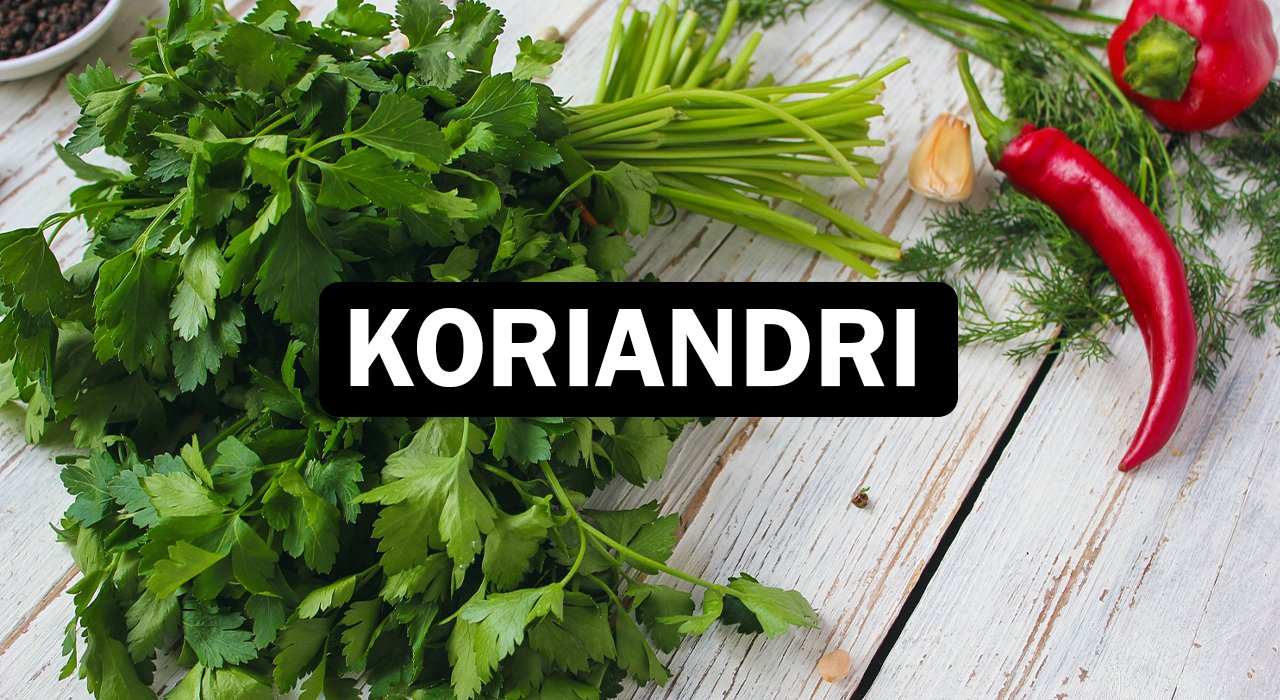
Koriandri is the name many European languages give to coriander, the popular green herb that cooks around the world reach for every day. It comes from the Coriandrum sativum plant and is related to parsley, carrots, and celery. You may already know it as cilantro or dhania, and you have likely tasted its bright, citrusy flavor in curries, salsas, and soups. This little plant does more than add color to a plate. It carries thousands of years of history, a strong nutritional profile, and a flavor that starts conversations at almost every table. In this guide, you will learn what koriandri is, where it comes from, why it may support your health, and how to cook, grow, and store it with ease. Healthline
What Is Koriandri?
Koriandri is a soft, green herb with feathery leaves and small pink or white flowers. These bright green, delicate leaves are part of the coriander plant (Coriandrum sativum), which also produces seeds used as a spice. The plant usually grows to about 20 inches tall and finishes its whole life cycle in a single season. ManipalCigna
One plant gives you two very different flavors. In the United States, cilantro refers to the leaves, and coriander refers to the seeds. The fresh leaves taste light and citrusy, while the dried seeds taste warm, nutty, and a little sweet. Interestingly, some people say the leaves taste like soap. Due to variations in the gene OR6A2, some people perceive its flavor to be more soaplike or rotten. Medical News TodayWikipedia
A Short History
People have used koriandri for a very long time. Coriander leaves, also known as cilantro or Chinese parsley, originate from the Mediterranean and Middle Eastern regions, where they have been cultivated for thousands of years. Farmers grew it, cooks flavored their food with it, and healers turned to it for common problems. ManipalCigna
The herb also played a role in the ancient world. Archaeologists have found coriander seeds in Egyptian tombs, which shows people valued it for both food and ritual. Over time, traders carried the seeds along busy routes, and koriandri spread into India, China, and later the Americas. Today it grows on almost every continent.
Nutrition and Health Benefits
Koriandri packs a lot of goodness into very few calories. Coriander leaves are rich in essential nutrients, including vitamins A, C, and K, as well as antioxidants and dietary fiber, making them beneficial for immune support and digestion. Vitamin K plays an important role in helping your blood clot and helps your bones repair themselves, while vitamin C supports your immune system. ManipalCignaWebMD
Researchers continue to study how the herb affects the body. Coriander is a fragrant, antioxidant-rich herb that may help lower your blood sugar, fight infections, and promote heart, brain, skin, and digestive health. The herb may help in the kitchen in another way too. Using cilantro to flavor food may encourage people to use less salt and reduce their sodium intake. Keep in mind that many of these findings come from early or animal studies, so enjoy koriandri as part of a balanced diet rather than as a cure. HealthlineMedical News Today
How to Cook With Koriandri
Koriandri works best when you match each part of the plant to the right moment. Add the fresh leaves near the end of cooking so they keep their bright color and fresh aroma. Chop them over rice, beans, grilled vegetables, tacos, or soups just before serving. You can also blend the leaves into chutneys, dips, and dressings for a fresh, green lift.
The seeds ask for the opposite approach. Add them early so their warm flavor can spread through the whole dish. Toast whole seeds in a dry pan for a minute, then grind them to release even more taste. Ground koriandri seeds bring depth to curries, stews, spice rubs, breads, and pickles, and they sit at the heart of blends like garam masala and curry powder.
How to Grow and Store It
Koriandri is a friendly plant for beginners. Sow the seeds in loose, well-drained soil and give them plenty of sunlight. The plant grows quickly, so you can snip fresh leaves within a few weeks. Because the herb bolts fast in hot weather, plant small batches every few weeks to keep a steady supply.
Storing it well keeps the flavor alive. Wrap fresh leaves in a slightly damp paper towel and keep them in the refrigerator, or stand the stems in a glass of water like a small bouquet. Store dried seeds in a sealed jar away from heat and light, and grind them only when you need them so they stay fragrant.
Who Should Be Careful
Most people can enjoy koriandri freely as a food. Still, a few groups should pay attention. People on blood thinners should maintain a consistent intake and consult their healthcare provider due to the herb’s high vitamin K content. If you take medication or feel unsure, ask a doctor before using large or concentrated amounts. NutriScan
Conclusion
Koriandri is a simple herb with a big personality. It adds fresh flavor to everyday meals, brings useful nutrients to your plate, and grows easily on a sunny windowsill. Try both the leaves and the seeds, and let this ancient herb make your cooking taste alive.
Frequently Asked Questions
What is koriandri?
Koriandri is another name for coriander, the herb known as Coriandrum sativum. Its leaves are often called cilantro.
Is koriandri the same as cilantro?
Yes. In the United States, the leaves are called cilantro and the seeds are called coriander, but they come from the same plant.
Is koriandri good for you?
Yes. It is low in calories and rich in vitamins A, C, and K, plus antioxidants that may support digestion, heart health, and immunity.
Why does koriandri taste like soap to some people?
A gene called OR6A2 makes certain people more sensitive to the herb’s aroma compounds, so the leaves can taste soapy to them.
How do you use koriandri in cooking?
Add fresh leaves at the end of cooking for aroma, and add the seeds early for deep, warm flavor in curries, stews, and spice blends.
Hungry for more? Check out the latest updates at Cyber Que


INS Full Form Explained: What Does INS Really Mean?

What Does “Faccccccccccccc” Mean? The Viral Internet Word Explained

What Is FedEx Trip Buddy? A Simple Guide for Linehaul Drivers

What Is a Fonendi? Simple Guide to the Stethoscope Doctors Use

What Is Acamento? The Simple Meaning Behind This New Word

What Is Nionenad? A Simple Guide to This New Internet Word

Best Tarta de Espinaca Near Me: A Simple Guide for Spinach Pie Lovers

Koi Fish: What They Are and Why People Love Them

Ketchum, Idaho: A Small Mountain Town With Big Adventures

Pinoroduct Com Review: Is This Online Shop Safe to Use in 2026?

Cadibara vs Capybara: What’s the Real Difference?

What Does “Fkstrcghtc” Mean? The Strange Word Everyone Is Searching
Best Tarta de Espinaca Near Me: A Simple Guide for Spinach Pie Lovers
Koi Fish: What They Are and Why People Love Them
Ketchum, Idaho: A Small Mountain Town With Big Adventures
Pinoroduct Com Review: Is This Online Shop Safe to Use in 2026?
Cadibara vs Capybara: What’s the Real Difference?
What Does “Fkstrcghtc” Mean? The Strange Word Everyone Is Searching
-
 Food4 months ago
Best Tarta de Espinaca Near Me: A Simple Guide for Spinach Pie Lovers
-
 Food4 months ago
Koi Fish: What They Are and Why People Love Them
-
 Blog4 months ago
Ketchum, Idaho: A Small Mountain Town With Big Adventures
-
 Blog4 months ago
Pinoroduct Com Review: Is This Online Shop Safe to Use in 2026?
-
 Education4 months ago
Cadibara vs Capybara: What’s the Real Difference?
-
 Blog4 months ago
What Does “Fkstrcghtc” Mean? The Strange Word Everyone Is Searching
-

 Health4 months ago
Authorised Medical Attendant: Meaning, Role, and Why It Matters for You
-

 Technology3 months ago
Droven IO Cybersecurity Updates: Easy Guide to Staying Safe Online in 2026