Food
Koi Fish: What They Are and Why People Love Them

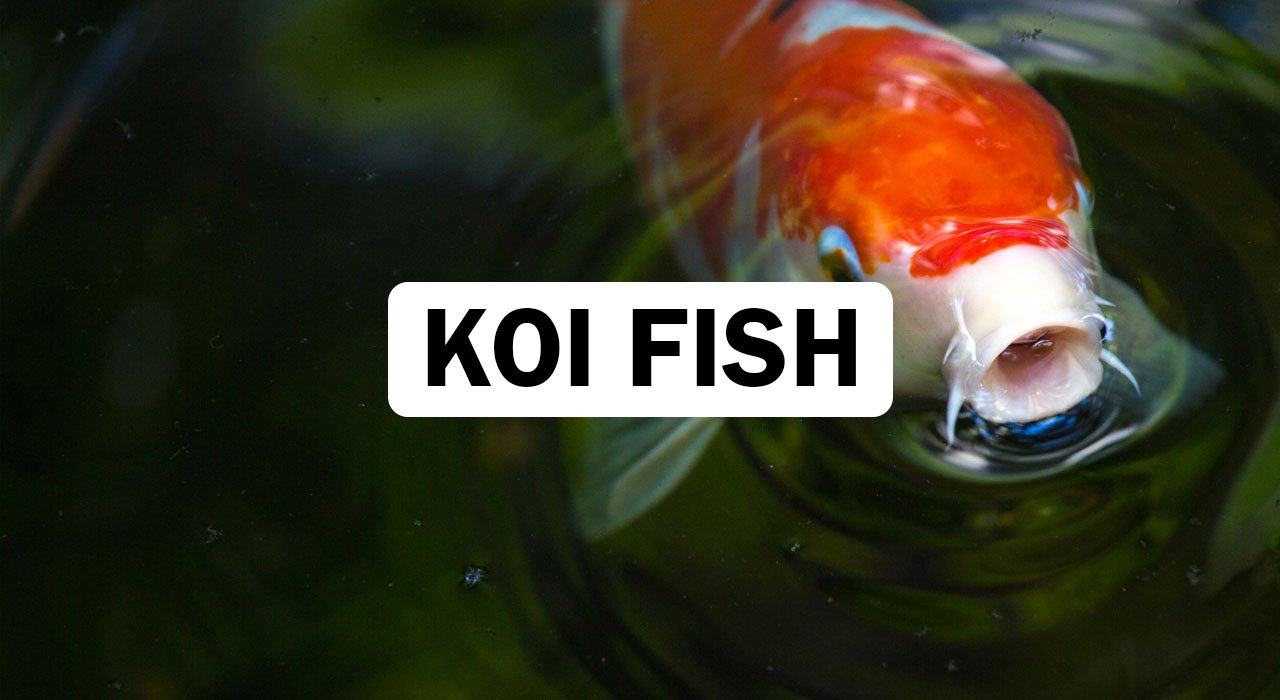
Koi fish are among the most recognized pond animals in the world, admired for their bright colors and calm nature. These ornamental carp have swum their way from Japanese rice paddies into backyard ponds across the globe. This article explains what koi fish are, where they came from, the different types you can find, and why so many people choose to keep them as pets.
What Is a Koi Fish?
Koi is the common name for ornamental varieties of the common carp, a freshwater fish species. Koi are not a separate species; they are a domesticated form of the common carp, Cyprinus carpio, selectively bred for their patterned coloration. The word “koi” comes from the Japanese term for brocaded carp, which describes their colorful, patterned appearance. They are often called Japanese koi or nishikigoi, and hobbyists prize them for the wide range of colors and markings each fish can carry.
People sometimes confuse koi with goldfish, but the two are different animals. Koi carp can be told apart from goldfish by the barbels on each side of their mouth, which help them search for food in the mud. Koi also grow much larger than goldfish and can live for many decades with proper care, making them a long-term commitment rather than a simple starter pet.
A Brief History of Koi Fish
The story of koi fish begins with ordinary carp raised for food. In the 1600s, Japanese carp farmers began noticing unusual color variations among their fish, and these colorful mutations were the starting point for what became modern koi. Farmers in the Niigata region originally kept these carp as a reliable winter food source before their unusual colors caught people’s attention.
Interest in koi grew quickly once their beauty became widely known. A koi fish was first displayed publicly in Tokyo in 1914, which helped spread their popularity across Japan and encouraged more selective breeding in Niigata. By the 1900s, breeders in the United States, England, and other parts of Europe were raising koi as well, and the fish became a coveted pet around the world by the 1960s. Today, koi keeping is a global hobby with dedicated shows, breeders, and collectors.
Popular Koi Fish Varieties and Colors
One reason koi fish remain so popular is the sheer variety available to collectors. There are more than 100 recognized koi varieties, though they all belong to the same species and are simply carp with different appearances. Common colors include white, black, red, orange, yellow, blue, brown, and cream, along with metallic gold and silver-white shades sometimes called platinum.
Among the many varieties, a few stand out as favorites. The most popular group is known as Gosanke, made up of the Kohaku, Taisho Sanshoku, and Showa Sanshoku varieties. The gentle Chagoi, ranging from olive green to copper and bronze tones, is famous for its friendly personality and is considered a sign of good luck among koi keepers. Other well-known types include the Tancho, marked by a single red patch on its head, and the shimmering Kinginrin, known for its glittering scales.
How Long Do Koi Fish Live?
Koi fish are known for their remarkable longevity compared to most pet fish. Most koi live between 25 and 50 years, and some individuals have been reported to live up to 100 years with proper care. Lifespan largely depends on water quality, diet, and how well the pond is maintained over time.
A handful of koi have lived even longer under exceptional conditions. The oldest known koi is believed to have lived to nearly 230 years old, an age scientists estimated by counting growth rings on the fish’s scales, much like counting rings on a tree. Because of this potential lifespan, many Japanese families treat their koi as heirlooms, passing prized fish down through generations.
Caring for Koi Fish in a Pond
Koi need more space than most people expect, since they can grow quite large. Adult koi generally require at least 10 gallons of water for every inch of body length, so a fish that reaches 24 to 25 inches long needs roughly 250 gallons of space. Ponds should also be at least 3 to 6 feet deep, which helps protect the fish from temperature swings and freezing in colder climates.
Water quality and feeding habits matter just as much as space. A strong filtration system keeps ammonia and waste levels down, since koi produce a significant amount of waste for their size. Owners should only feed koi as much food as the fish can finish within five minutes, because leftover food breaks down and lowers water quality. With clean water, a balanced diet, and enough room to grow, koi can thrive for decades in a well-maintained pond.
What Do Koi Fish Symbolize?
Beyond their beauty, koi fish carry deep cultural meaning in Japan. In Japanese culture, koi symbolize luck, affection, and love, which is part of why they remain such treasured pond animals. Their calm, graceful movement through water has also made them a popular symbol of perseverance and strength, especially since carp are known for swimming upstream against strong currents.
This symbolism has spread far beyond ponds and gardens. Koi imagery appears often in art, clothing, and tattoos, where the fish represents personal growth and good fortune. For many owners, keeping koi is not just about their appearance but also about the sense of calm and tradition the fish bring to a home.
Conclusion
Koi fish combine striking beauty, rich history, and genuine longevity in one remarkable pond animal. From their origins as farmed carp in Japan to their status as prized pets worldwide, koi continue to capture attention wherever they swim. With the right pond, clean water, and steady care, these colorful fish can become a lifelong companion for their owners.
Frequently Asked Questions
1. What is the difference between koi and goldfish?
Koi have barbels near their mouth and grow much larger than goldfish, while goldfish lack barbels and stay smaller throughout their life.
2. How big do koi fish grow?
Most koi grow between 2 and 3 feet long, though certain varieties like the Chagoi can reach up to 4 feet with proper care.
3. Can koi fish live indoors?
Young koi can live in large indoor tanks for a short time, but they need to move to an outdoor pond as they grow larger.
4. Why are some koi fish so expensive?
Price depends on size, color pattern, lineage, and rarity, with show-quality koi sometimes selling for thousands of dollars.
5. Do koi fish recognize their owners?
Yes, koi can learn to recognize the people who feed them regularly and may even eat directly from an owner’s hand.
Hungry for more? Check out the latest updates at Cyber Que


INS Full Form Explained: What Does INS Really Mean?

What Does “Faccccccccccccc” Mean? The Viral Internet Word Explained

What Is FedEx Trip Buddy? A Simple Guide for Linehaul Drivers

What Is a Fonendi? Simple Guide to the Stethoscope Doctors Use

What Is Acamento? The Simple Meaning Behind This New Word

What Is Nionenad? A Simple Guide to This New Internet Word

Best Tarta de Espinaca Near Me: A Simple Guide for Spinach Pie Lovers

Koi Fish: What They Are and Why People Love Them

Ketchum, Idaho: A Small Mountain Town With Big Adventures

Pinoroduct Com Review: Is This Online Shop Safe to Use in 2026?

Cadibara vs Capybara: What’s the Real Difference?

What Does “Fkstrcghtc” Mean? The Strange Word Everyone Is Searching
Best Tarta de Espinaca Near Me: A Simple Guide for Spinach Pie Lovers
Koi Fish: What They Are and Why People Love Them
Ketchum, Idaho: A Small Mountain Town With Big Adventures
Pinoroduct Com Review: Is This Online Shop Safe to Use in 2026?
Cadibara vs Capybara: What’s the Real Difference?
What Does “Fkstrcghtc” Mean? The Strange Word Everyone Is Searching
-
 Food3 months ago
Best Tarta de Espinaca Near Me: A Simple Guide for Spinach Pie Lovers
-
 Blog4 months ago
Ketchum, Idaho: A Small Mountain Town With Big Adventures
-
 Blog3 months ago
Pinoroduct Com Review: Is This Online Shop Safe to Use in 2026?
-
 Education4 months ago
Cadibara vs Capybara: What’s the Real Difference?
-
 Blog4 months ago
What Does “Fkstrcghtc” Mean? The Strange Word Everyone Is Searching
-

 Blog4 months ago
What Does “Peitner” Mean? The Story Behind This Rare Surname
-

 Health4 months ago
Authorised Medical Attendant: Meaning, Role, and Why It Matters for You
-

 Technology3 months ago
Droven IO Cybersecurity Updates: Easy Guide to Staying Safe Online in 2026