Blog
What Is Sodiceram? A Simple Guide to This Strong New Ceramic

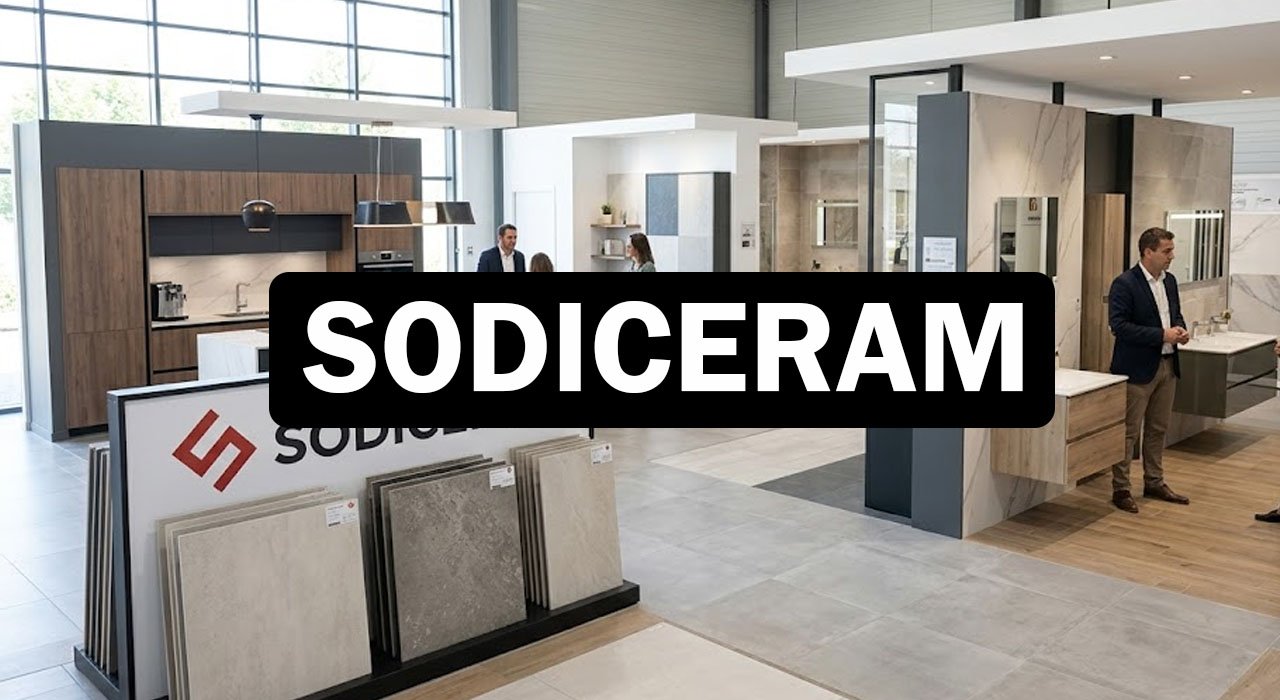
Sodiceram is a modern ceramic material made with sodium-based compounds that boost its strength, density, and resistance to water and wear. It builds on the same clay and mineral base used in traditional ceramics, but the added sodium changes how the material bonds during firing. The result is a surface that looks like classic tile or stone but holds up much better over time. This guide breaks down what Sodiceram is made of, how it is produced, and why it has become a popular choice for homes and commercial spaces.
How Sodiceram Is Made
Sodiceram starts with natural materials such as clay, silica, and minerals, the same base ingredients used in standard ceramics. Sodium compounds are added during mixing, and this changes how the material behaves once it reaches the kiln. During firing, sodium acts as a flux. This means it lowers the melting point of silica and helps the material form glass-like bonds inside its structure.
This process creates a denser body with fewer tiny holes, known as pores. Standard ceramics often keep small gaps that let in water and weaken the surface over time. Because Sodiceram fuses more tightly during firing, it ends up stronger and less likely to crack or absorb moisture.
Key Properties That Set It Apart
Sodiceram stands out mainly because of its low porosity. Fewer pores mean the surface resists stains, mold, and water damage far better than older ceramic types. It also holds its shape under high heat, which makes it a safe choice near stoves, fireplaces, or sunny outdoor patios.
The surface also resists scratches and daily wear from foot traffic or furniture. Cleaning is simple since dirt and spills sit on top rather than soaking in. Many manufacturers also design the material with sustainability in mind, using lower firing temperatures and recycled water in production, which reduces the environmental footprint compared to older manufacturing methods.
Where Sodiceram Is Used
Homeowners use Sodiceram most often in kitchens, bathrooms, and living rooms, where both looks and durability matter. It handles moisture well, so it fits bathroom floors and shower walls without swelling or discoloring. In kitchens, it resists heat from pans and stays stain-free after spills.
Architects and designers also use it for facades, feature walls, and outdoor patios. Its resistance to weather and temperature swings makes it a solid pick for exterior cladding. Some industrial settings use it too, since it can handle exposure to chemicals and high heat in labs or manufacturing spaces.
Design Options and Finishes
One reason Sodiceram appeals to designers is its range of finishes. It can be produced to look like wood, marble, or natural stone while keeping the strength that raw stone lacks. Glossy finishes reflect light and suit bright, modern kitchens or living areas.
Matte finishes offer a softer look and better grip, which makes them a safer pick for bathroom floors. Textured options add depth and are common on outdoor walls or accent features. This variety lets homeowners get a high-end appearance without sacrificing performance.
Sodiceram vs. Traditional Ceramics
Traditional ceramics have served builders well for centuries, but they carry known weaknesses. They can crack under pressure, absorb water over time, and wear down faster in high-traffic areas. Sodiceram addresses these issues directly through its denser, less porous structure.
Natural stone offers a similar premium look but comes with its own drawbacks, including heavy weight and a tendency to absorb water and stain. Sodiceram gives a comparable appearance while staying lighter and easier to maintain, which is why many buyers now choose it over both older ceramics and natural stone.
Cost and Long-Term Value
Sodiceram usually costs more upfront than basic ceramic tile. The specialized production process and added materials raise the initial price. However, this cost difference often balances out over time.
Because it resists cracking, staining, and water damage, Sodiceram needs fewer repairs and replacements. Homeowners and businesses that install it typically spend less on maintenance over the years, which makes it a practical long-term investment rather than just a decorative upgrade.
Conclusion
Sodiceram combines the classic appeal of ceramic with real improvements in strength, water resistance, and low maintenance. Whether used in a kitchen, bathroom, or building facade, it offers a durable and attractive option that holds up to daily life. For anyone planning a renovation or new build, it’s worth considering as a smart, long-lasting material choice.
Frequently Asked Questions
What is Sodiceram made of?
Sodiceram is made from clay, silica, and minerals, combined with sodium-based compounds that improve bonding and strength during firing.
Is Sodiceram waterproof?
Sodiceram is highly water-resistant because its dense structure has very few pores, which keeps water from soaking into the surface.
Can Sodiceram be used outdoors?
Yes, Sodiceram handles weather changes, temperature swings, and sun exposure well, making it a solid choice for patios and outdoor walls.
How do you clean Sodiceram surfaces?
Sodiceram is easy to clean since dirt and stains stay on the surface. Regular wiping with mild soap and water keeps it looking new.
Is Sodiceram more expensive than regular ceramic tile?
Sodiceram typically costs more upfront, but its durability reduces repair and replacement costs, which often makes it a better value over time.
Hungry for more? Check out the latest updates at Cyber Que


INS Full Form Explained: What Does INS Really Mean?

What Does “Faccccccccccccc” Mean? The Viral Internet Word Explained

What Is FedEx Trip Buddy? A Simple Guide for Linehaul Drivers

What Is a Fonendi? Simple Guide to the Stethoscope Doctors Use

What Is Acamento? The Simple Meaning Behind This New Word

What Is Nionenad? A Simple Guide to This New Internet Word

Best Tarta de Espinaca Near Me: A Simple Guide for Spinach Pie Lovers

Koi Fish: What They Are and Why People Love Them

Ketchum, Idaho: A Small Mountain Town With Big Adventures

Pinoroduct Com Review: Is This Online Shop Safe to Use in 2026?

Cadibara vs Capybara: What’s the Real Difference?

What Does “Fkstrcghtc” Mean? The Strange Word Everyone Is Searching
Best Tarta de Espinaca Near Me: A Simple Guide for Spinach Pie Lovers
Koi Fish: What They Are and Why People Love Them
Ketchum, Idaho: A Small Mountain Town With Big Adventures
Pinoroduct Com Review: Is This Online Shop Safe to Use in 2026?
Cadibara vs Capybara: What’s the Real Difference?
What Does “Fkstrcghtc” Mean? The Strange Word Everyone Is Searching
-
 Food3 months ago
Best Tarta de Espinaca Near Me: A Simple Guide for Spinach Pie Lovers
-
 Food4 months ago
Koi Fish: What They Are and Why People Love Them
-
 Blog4 months ago
Ketchum, Idaho: A Small Mountain Town With Big Adventures
-
 Blog3 months ago
Pinoroduct Com Review: Is This Online Shop Safe to Use in 2026?
-
 Education4 months ago
Cadibara vs Capybara: What’s the Real Difference?
-
 Blog4 months ago
What Does “Fkstrcghtc” Mean? The Strange Word Everyone Is Searching
-

 Blog4 months ago
What Does “Peitner” Mean? The Story Behind This Rare Surname
-

 Health4 months ago
Authorised Medical Attendant: Meaning, Role, and Why It Matters for You